


At a glance
December 1st is World AIDS Day, a day to raise awareness about HIV, honor those we have lost, and renew our commitment to improving the lives of people affected by HIV around the world.
Overview

Globally, nearly 40 million people were living with HIV in 2024, and 1.3 million people became newly infected with the virus. Continued scientific advances in the global HIV response have brought reliable rapid tests, effective treatment, and more prevention options than ever before. CDC remains committed to efforts to develop and apply innovative solutions for effective HIV prevention, testing, and treatment.
CDC efforts
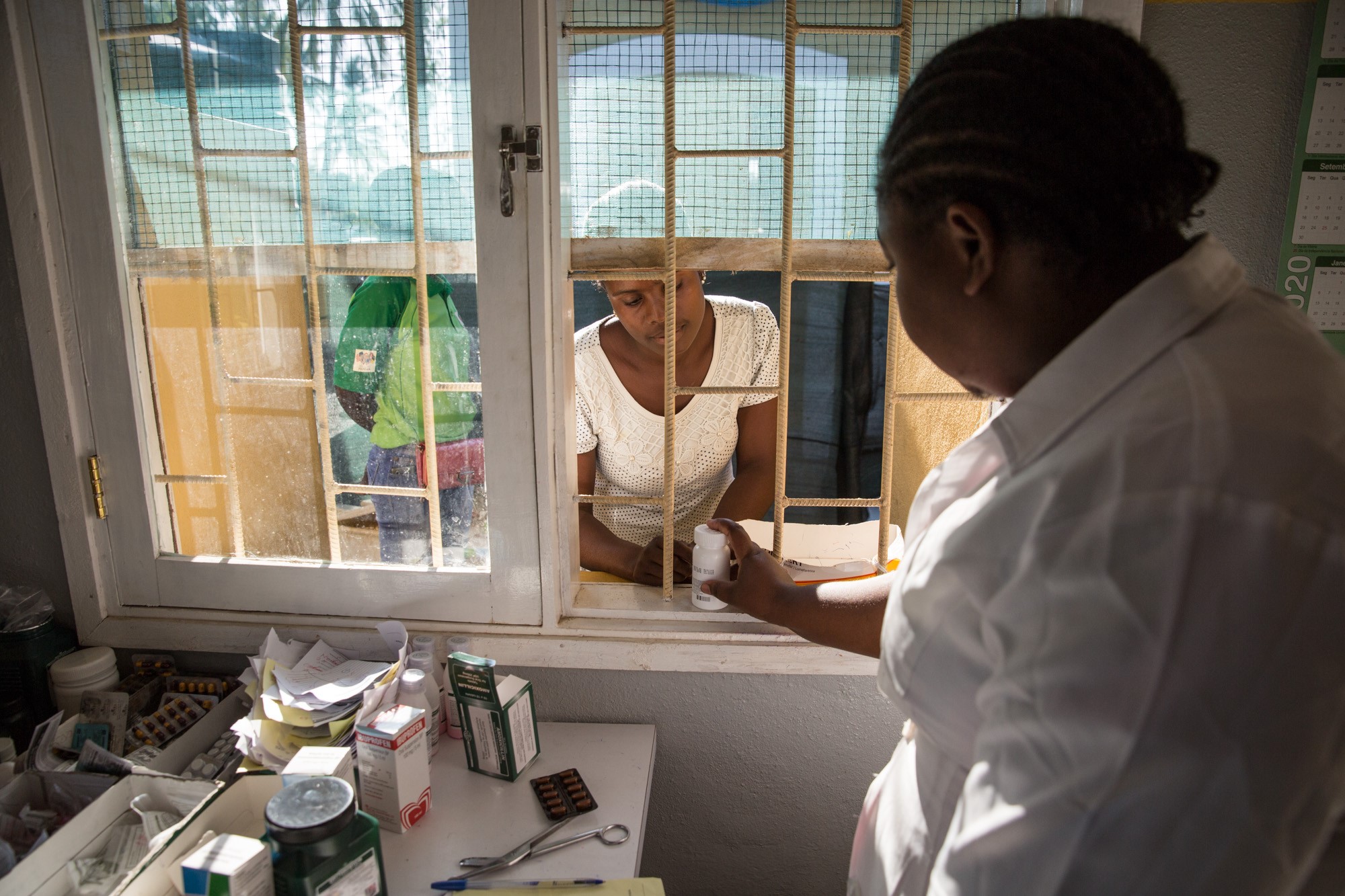
Ricardo Franco
With four decades of on-the-ground experience in HIV testing, prevention, and treatment, CDC works side-by-side with partners in 46 countries to create a world where new HIV infections are rare and where people living with HIV live long and healthy lives.
Our work:
- Uses data and science for action.
- Applies unparalleled scientific and technical expertise that evolves with needs and practice in the field.
- Prioritizes efficient use of resources to maximize resources.
- Builds on longstanding support to ministries of health, non-governmental organizations, community and civil society organizations, and many others.
- Ensures services effectively reach people in settings most impacted by disease threats.
CDC maximizes resource efficiency and increases global health security, using platforms developed for HIV and TB to successfully respond to and protect Americans from emerging outbreaks, such as Marburg, malaria, Ebola, and monkeypox.
Laboratory systems lay the groundwork for effective HIV and TB detection, prevention, and treatment programs, and as a result, build systems and infrastructure used for outbreak response globally. With host country governments, CDC supports the establishment of state-of-the-art laboratories, develops world-class laboratory-based surveillance systems, and strengthens local capacity to fight disease.
Through support of country-led initiatives, CDC enhances local capabilities to accurately, efficiently, and safely diagnose and monitor treatment for HIV and TB. This support also allows countries to quickly detect, respond to, and stop deadly outbreaks of various pathogens before they reach the U.S. Thanks to these efforts, countries are better equipped to sustain strong, self-reliant public health systems.
Botswana's path to "Gold Tier" - a global model

After decades of collaboration with CDC, Botswana reached a historic milestone by achieving "Gold Tier" status in eliminating mother-to-child transmission of HIV.
CDC has played a key role in this work – helping expand important HIV testing, integrate and enhance data sharing systems, introduce innovative technology, and train health workers across the country. As a result of this collaboration, Botswana's health infrastructure is also now equipped to handle future public health threats beyond HIV.